
From Bahi-Khata to Digital Billing: A Comprehensive Guide to GST Migration for Indian MSMEs
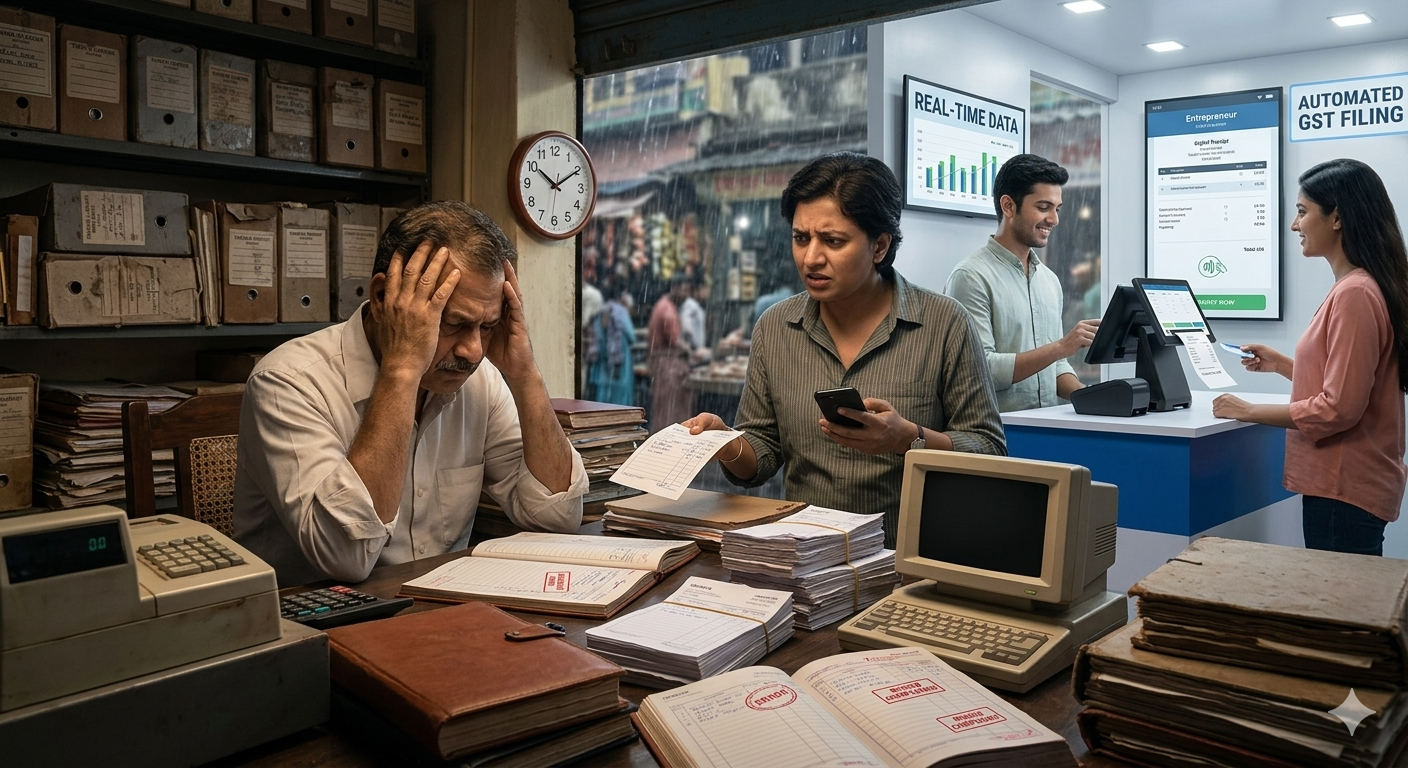
For generations, the Lal Kitab (Red Register) has been the backbone of Indian commerce—a trusted ledger where every rupee, every transaction, and every customer relationship was meticulously recorded by hand. But in today's GST-driven economy, this traditional system has become a strategic liability. Digital transformation is no longer optional; it is a business imperative for survival and growth.
For the modern Indian entrepreneur, transitioning from a manual khata to a digital billing system is no longer a matter of choice; it is a strategic imperative for survival and growth. This guide outlines a professional, step-by-step framework for migrating your operations into the digital era.
1. The Cultural Foundation: Why Lal Kitab Still Holds Emotional Value
In the narrow lanes of India's traditional markets, the Lal Kitab represents more than just a record-keeping tool. It embodies trust, personal relationships, and the cultural fabric of Indian business. The shopkeeper who knows your family's purchasing patterns, who extends credit based on decades of relationship, who remembers your preferences—this is the soul of Indian commerce.
However, sentiment cannot override economic reality. The same businesses that thrived on personal relationships now face a compliance-driven marketplace where manual record-keeping creates operational bottlenecks, financial leakages, and regulatory risks.
2. The Economics of Inefficiency: Why Manual Systems Fail in 2026
Small business owners often perceive manual registers as "cost-free." In reality, they are one of the most expensive components of your business due to hidden costs:
The Opportunity Cost of Time:
The average Indian shopkeeper spends 2–3 hours daily on manual reconciliation. In a fiscal year, this amounts to nearly 900 hours—time that could be spent on procurement, marketing, or expansion.
Compliance Vulnerability:
With the GST network (GSTN) becoming increasingly automated, manual errors in tax calculation or HSN coding can lead to legal complications and the blocking of Input Tax Credit (ITC).
Customer Friction:
Today's consumer, accustomed to the speed of "Quick Commerce," views a hand-written bill as a sign of an outdated business. Professionalism starts with a clear, digital invoice.
Step 1: Conducting a Pre-Migration Audit
Digital transformation is only as good as the data you feed into it. Before adopting any software, a professional audit is required:
A. Inventory Classification
Organize your stock by categories. In a digital system, you won't just list "Soap"; you will list it by Brand, Variant, and Weight. This level of detail is essential for accurate inventory tracking.
B. Outstanding Receivables (Udhaar)
Consolidate your credit records. Ensure you have the correct legal names and verified mobile numbers for all debtors. This ensures that your initial digital migration includes an accurate "Opening Balance."
Step 2: Selecting a Tech Stack Tailored for India
India's business environment presents unique challenges: intermittent connectivity, diverse languages, and mobile-heavy usage. Your chosen platform must address these specifically.
- Hybrid Connectivity: In 2026, "Cloud-only" is a risk. Professional software must offer offline billing capabilities to ensure business continuity during network outages.
- Cross-Platform Synchronization: A professional setup often involves a Desktop version for the billing counter and a Mobile App for the owner to monitor sales remotely.
- Data Sovereignty: Ensure the provider uses high-level encryption. Your financial data is your most valuable asset; it must be protected by automated backups.
Step 3: Standardizing the GST Framework
One of the primary drivers for moving to KhaataPro is effortless compliance. During your setup, focus on:
- HSN/SAC Mapping: Ensure every product is mapped to its correct 4 or 6-digit HSN code. This automates the tax split (CGST/SGST/IGST) and eliminates manual calculation errors.
- Digital Signature & Branding: Upload your business logo and GSTIN. A professional invoice acts as a marketing tool, building trust with high-value corporate clients who require formal documentation for their own tax filings.
Step 4: The Transition Phase (Parallel Running)
For many legacy businesses, an "overnight" switch is daunting. We recommend a 7-day Parallel Run:
- Days 1–3: Continue using the manual register for all sales, but input the day's totals into the software at closing. This builds familiarity with the interface.
- Days 4–7: Issue digital bills for all new customers while using the manual register only for existing credit (Udhaar) accounts.
- Day 8: Full Migration. Discontinue the manual register and move all closing balances into the digital "Customer Khata."
Step 5: Revolutionizing Credit Management (Udhaar)
Credit is the lifeblood of Indian retail, but manual tracking leads to "leakage"—forgotten debts or disputed amounts. Professional digital systems solve this through Automated Accountability:
- Real-time Transparency: The moment a credit entry is made, the customer receives a WhatsApp notification. This prevents disputes at the time of settlement.
- Integrated Payment Gateways: By sending a UPI payment link directly through the app, you provide customers with a frictionless way to clear their dues, significantly improving your cash flow cycles.
Step 6: Leveraging Data Analytics for Growth
The true power of moving away from manual registers is the Business Intelligence you gain. After 30 days of digital operations, you can analyze:
- Dead Stock Analysis: Identify items that haven't moved in 60 days. Convert this "frozen capital" into cash by running targeted discounts.
- Peak Hour Metrics: Understand when your shop is busiest to optimize staff scheduling.
- Supplier Performance: Track which distributors offer the best margins and most reliable delivery times.
Overcoming Common Professional Barriers
Despite clear benefits, many MSMEs hesitate to migrate. Here are the most common objections and their professional responses:
Objection: "Is it expensive?"
Reality: The cost of professional software is a fraction of the losses incurred through manual errors. KhaataPro offers flexible pricing, including free tiers for micro-enterprises, ensuring that cost is never a barrier to modernization.
Objection: "Is the learning curve too steep?"
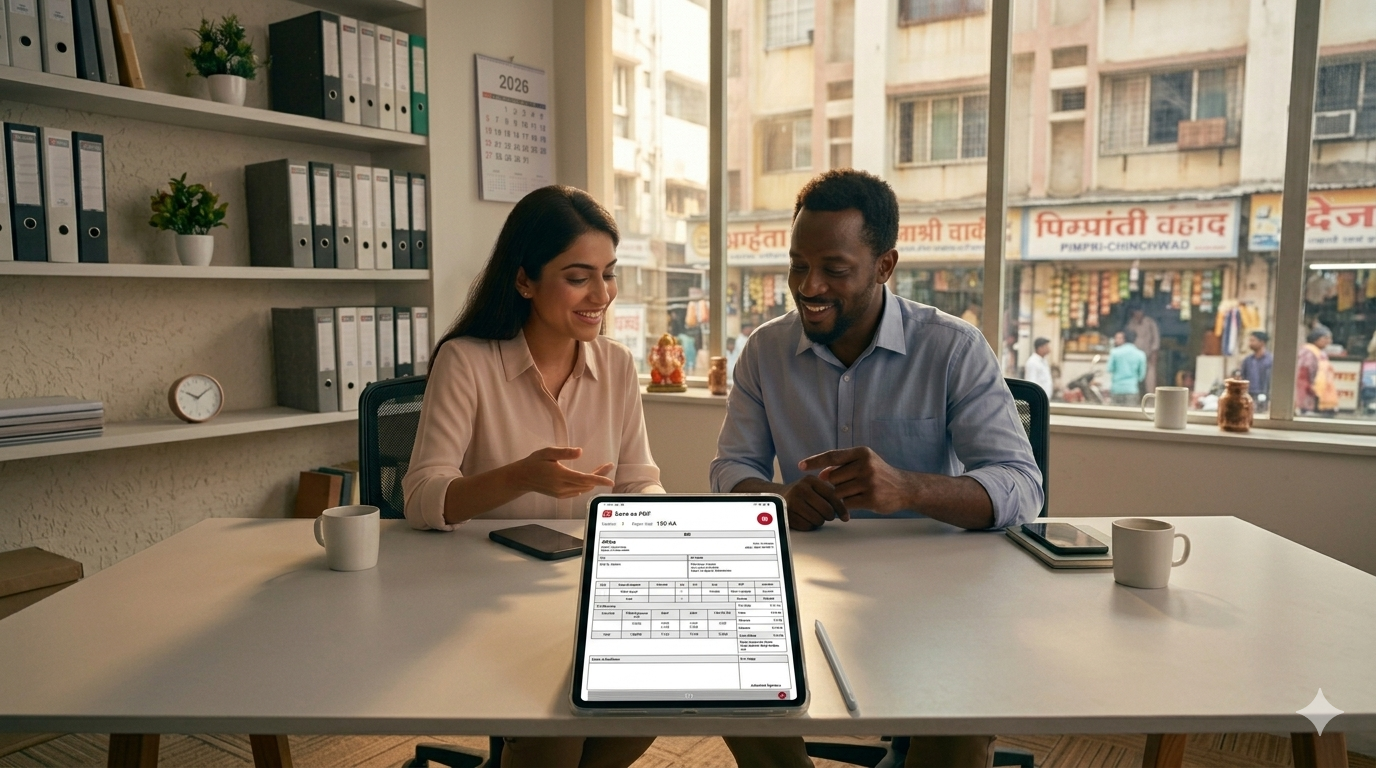
Reality: 2026-era software is designed with "Intuitive UI." If your staff can operate a smartphone, they can generate a professional GST invoice. The interface is optimized for speed, often requiring fewer "taps" than writing a manual entry would require "strokes" of a pen.
Future-Proofing Your Legacy
The transition from manual khata to digital billing is the most significant upgrade an Indian business can undertake in this decade. It represents a shift from "survival mode" to "scale mode." By digitizing your records, you are not just following a government mandate; you are building a data-rich asset that makes your business more valuable, bankable, and professional.
As the Indian economy continues its march toward a $5 trillion goal, the businesses that thrive will be those that embrace technology today.
Begin Your Digital Transformation Today
KhaataPro has helped thousands of Indian MSMEs successfully transition from traditional Lal Kitab to modern digital billing systems. Our platform combines the familiarity of traditional record-keeping with the power of automated compliance, real-time analytics, and multi-platform accessibility.
Take the professional leap. Download the KhaataPro App and experience a smarter, faster, and more profitable way to manage your business.
Download KhaataPro today and transform your retail billing experience!
The future of Indian commerce is digital. The time to migrate is now.
Related Articles
Continue exploring our insights on billing and business management
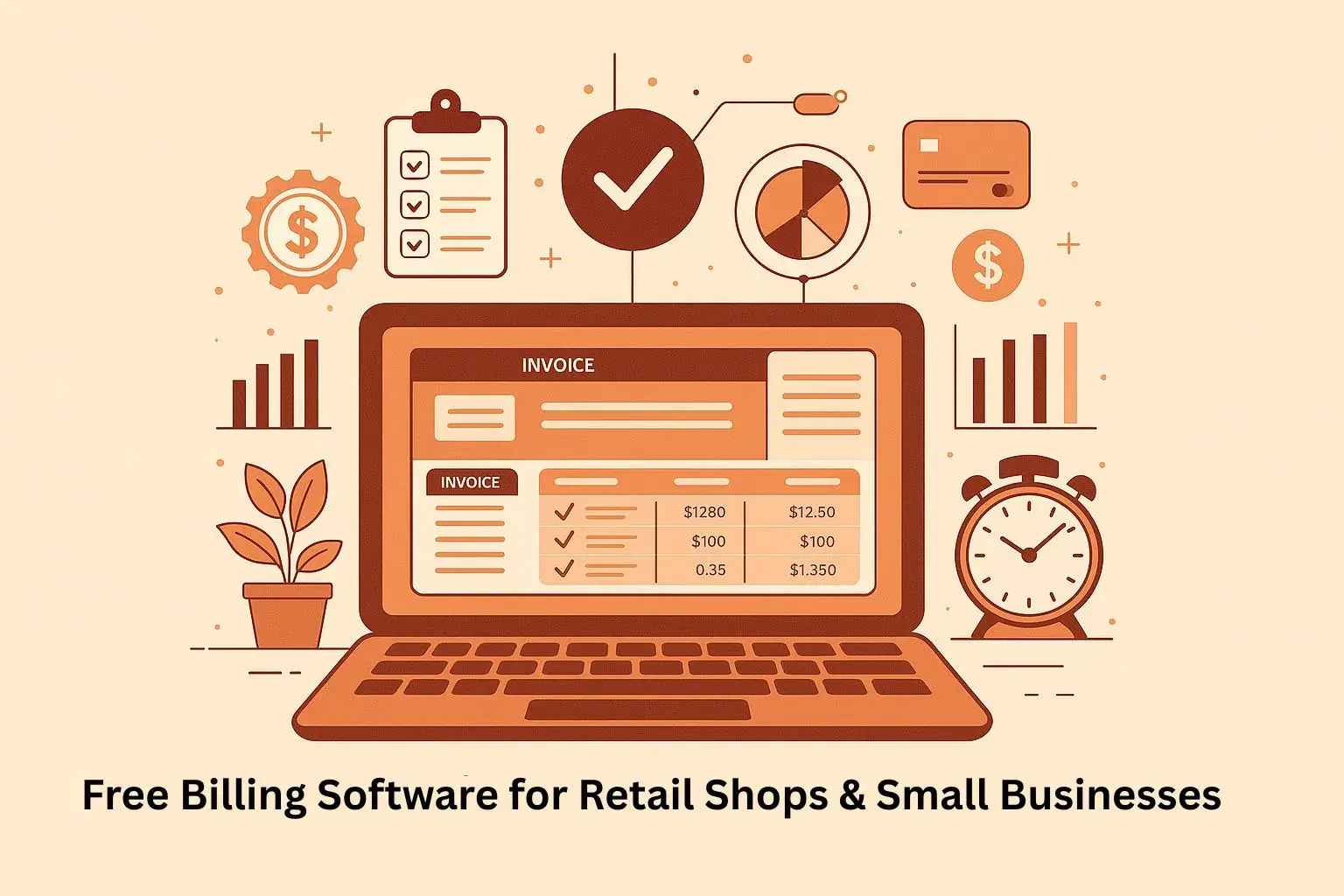
Complete Guide to Billing Software for Small Businesses & Retail Shops
Managing finances is a critical part of running any business. From generating invoices to tracking payments, the right billing software for small businesses can streamline operations and reduce human error.

Grow Your Shop Profits with Smart Billing & Inventory Management Software
Running a shop in today's competitive market is no longer just about selling products. Profitability depends on how well you manage billing, stock, customers, and daily operations. Many shop owners still rely on manual registers or basic spreadsheets, which often lead to errors, wasted time, and lost revenue. This is where Smart Billing & Inventory Management Software becomes a game changer.
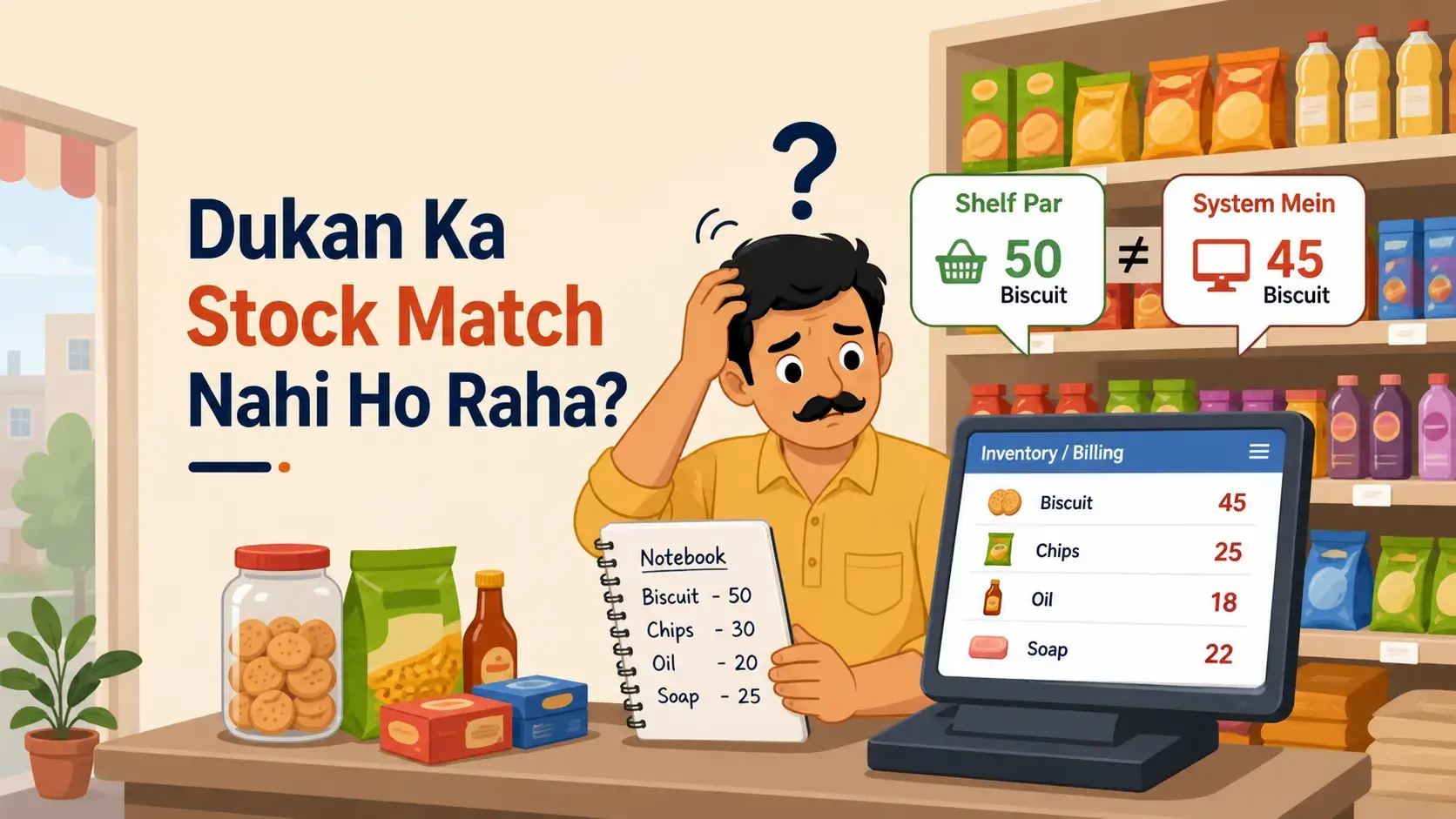
Dukan Ka Stock Match Nahi Ho Raha? Simple Solution for Inventory Mismatch Problem
When your shop stock does not match the record, confusion starts. Learn why stock mismatch happens, how it affects your business, and simple steps to fix inventory mismatch in your shop.